


Haiti: Practical guide to tax and customs benefits for the 2025-2026 fiscal year
8 December 2025

Haiti: Practical guide to tax and customs benefits for the 2025-2026 fiscal year
The duration of incentives increases from seven to ten years under the amending decree on the General Budget of the Republic of Haiti for the 2025-2026 fiscal year. This three-year extension reflects the government's determination to strengthen the country's attractiveness and to give investors a longer period to consolidate their operations before reaching full tax liability.
The new general provisions
The expanded incentives now include a full corporate income tax exemption for ten consecutive years, compared with seven previously. They also include accelerated depreciation of real estate, equipment, materials and software, allowing immediate tax optimization, as well as exemption from duties and taxes on imports of capital goods, renewable for an additional five years for modernization or expansion projects.
These provisions apply to the eligible sectors: Agriculture, Artisanal Production, Tourism and related services, Export, National industries, Free zones, as well as other sectors defined by law.
What is an incentive measure?
Incentive measures are the tax exemptions, customs duty exemptions or administrative facilities granted to companies that meet certain criteria. Their purpose: to liberalize, stimulate and secure private investment by facilitating the establishment and growth of companies that create jobs and added value for the national economy.
Benefits by strategic sector
Export Sector : exporting companies benefit from customs and tax exemption on imports of raw materials, capital goods and equipment needed for their operations, provided these goods are not available locally in sufficient quantity and quality. The scheme includes a retroactive exemption from import taxes on equipment, a waiver of the guarantee for temporary admission, and an exemption from inspection fees. These measures significantly reduce set-up costs and optimize cash flow from start-up.
Agricultural Sector : in light of food security challenges, the agricultural sector benefits from customs and tax exemption for ten consecutive years on inputs, equipment and materials needed for the activities of agricultural businesses, development companies and cooperatives. The waiver under the Customs Code for temporary admission imports considerably simplifies procedures. Accounting for 16% of GDP and 29% of national employment, agriculture remains a fundamental pillar that the State actively supports.
Artisanal Sector : the artisanal sector benefits from a ten-year customs duty exemption on supplies and materials needed for production, as well as a ten-year tax and customs exemption on equipment. The waiver of the guarantee deposit for temporary imports makes it easier for small businesses to acquire equipment that improves their productivity and the quality of their products for local and export markets.
Industrial Sector : industrial companies benefit from a ten-year customs and tax exemption on the equipment needed to set up and operate their production units. This exemption extends for five years to raw materials for companies wishing to modernize or expand their facilities. The waiver of the guarantee deposit reduces working capital requirements. This measure is particularly valued in the textile sector, which is the leading FDI sector in Haiti and has created more than 45,000 direct jobs.
Tourism Sector : recognizing tourism's potential for job creation and foreign currency earnings, the State grants tourism businesses a fifteen-year customs and tax exemption on equipment needed for prospecting, setting up and development, a fifteen-year exemption from the business license tax (patente), and a waiver of the guarantee deposit for temporary admission imports. With 1,500 kilometers of unspoiled coastline and an exceptional historical heritage, Haiti has considerable assets to develop responsible, value-creating tourism.
Free Zones : free zone developers and operators benefit from customs and tax exemption on capital goods and imports of raw materials, development equipment and other inputs. The regime provides for a fifteen-year exemption from registration and transcription fees for all deeds relating to the company's incorporation and operation, as well as a seven-year exemption from the CFB. Haiti has three major industrial parks: SONAPI (Port-au-Prince), PIC (Caracol) and CODEVI (Ouanaminthe).
Simplified application procedure and free support from CFI
All applications must be addressed to the Director General of CFI, who serves as the secretariat of the Interministerial Investment Commission. The application must be accompanied by a detailed business plan, financial projections, the company's articles of incorporation, the business license (patente), proof of financial capacity, a detailed list of the equipment for which the exemption is requested, and a formal commitment regarding job creation and the period of operation.
CFI checks that the application is complete, analyzes the project's eligibility, submits the application to the Interministerial Commission, follows it up throughout the approval process, and issues the exemption certificates once approval has been obtained. Indicative timeframe: 2 to 4 months for a well-prepared application.
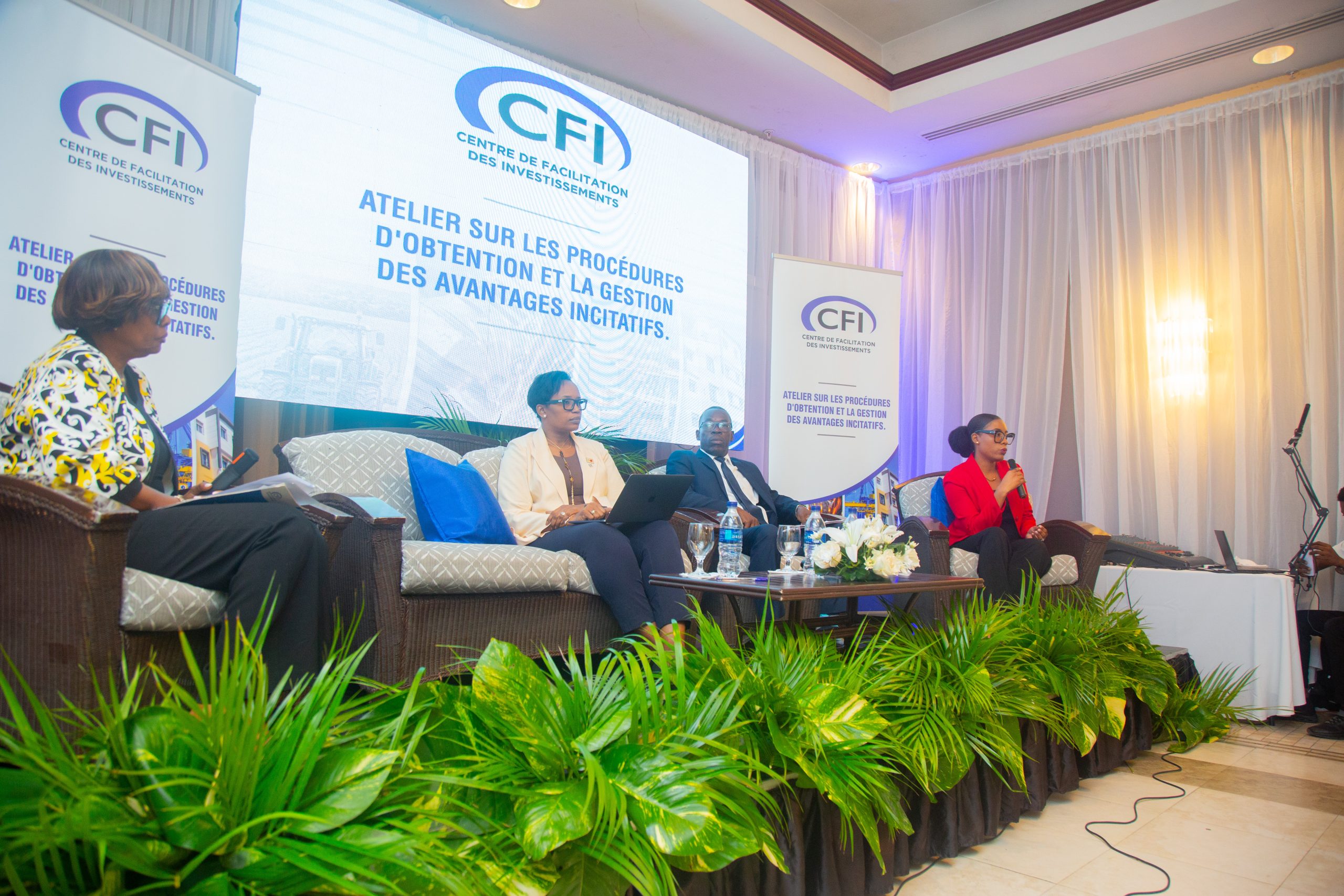
CFI plays a central role in accessing these benefits. The institution supports investors free of charge at every stage: assessing the project's eligibility, compiling a complete and compliant application, processing and rigorous follow-up throughout the approval process, obtaining the exemption certificates, and post-approval follow-up to ensure compliance with obligations and any renewal.
Conditions and obligations
To obtain and retain these benefits, companies must meet several conditions: creation of direct jobs with measurable impact, compliance with the minimum investment thresholds defined for each sector, continued operation throughout the exemption period, regular reporting with financial statements and employment data, proper use of duty-free imported equipment, contribution to development through local workforce training, and compliance with environmental, social and quality standards.
Failure to meet these obligations may result in the immediate revocation of the benefits and the obligation to repay the exemption amounts the company has received.
CFI Communication Unit
Latest Publications

Catalogue of Local Investment Opportunities
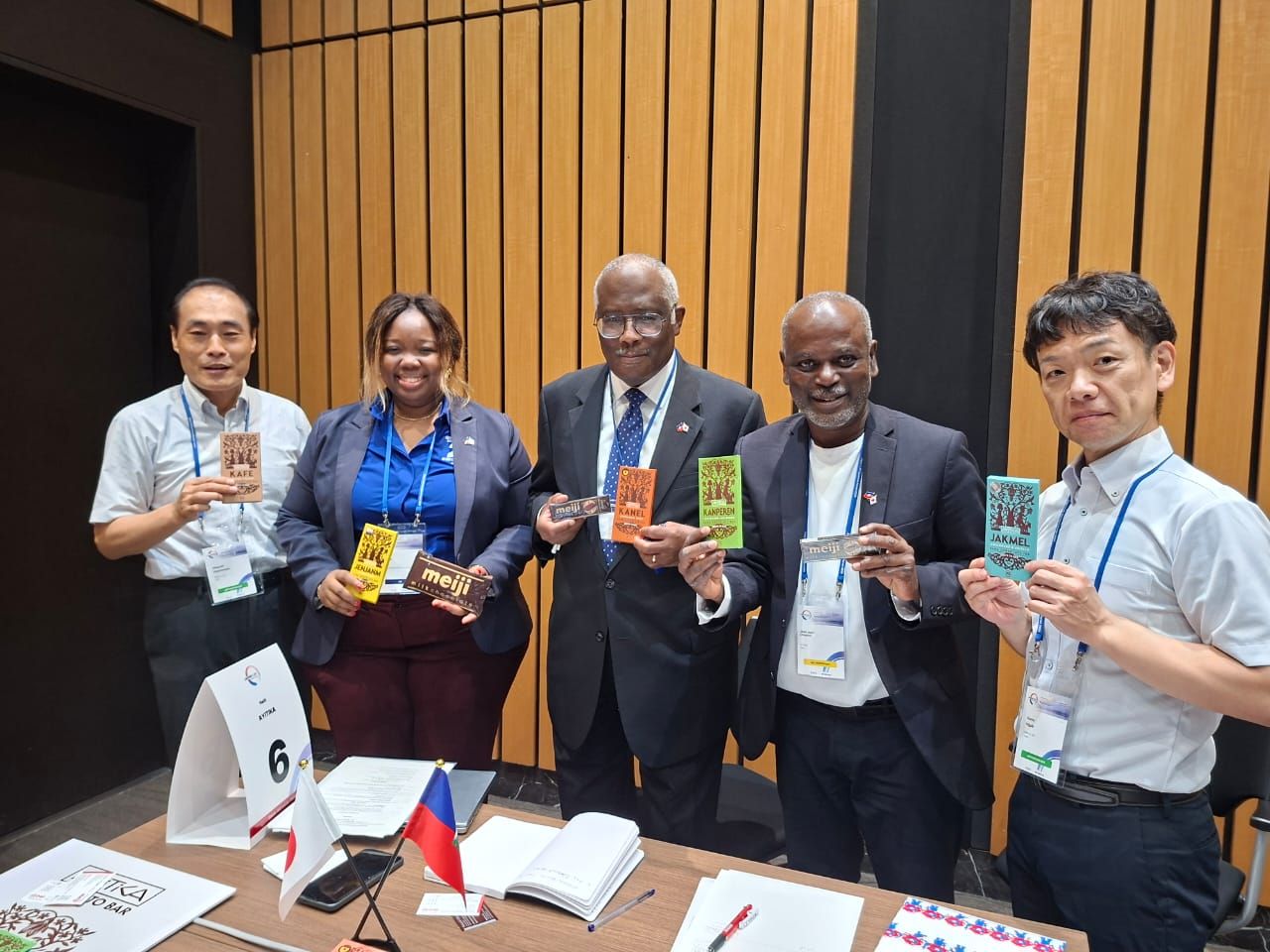
The CFI strengthens Haiti's presence among Japanese investors
Share the article


