


Economic intelligence: CFI consolidates its achievements at its 4th workshop
22 September 2026
Economic intelligence: CFI consolidates its achievements at its 4th workshop
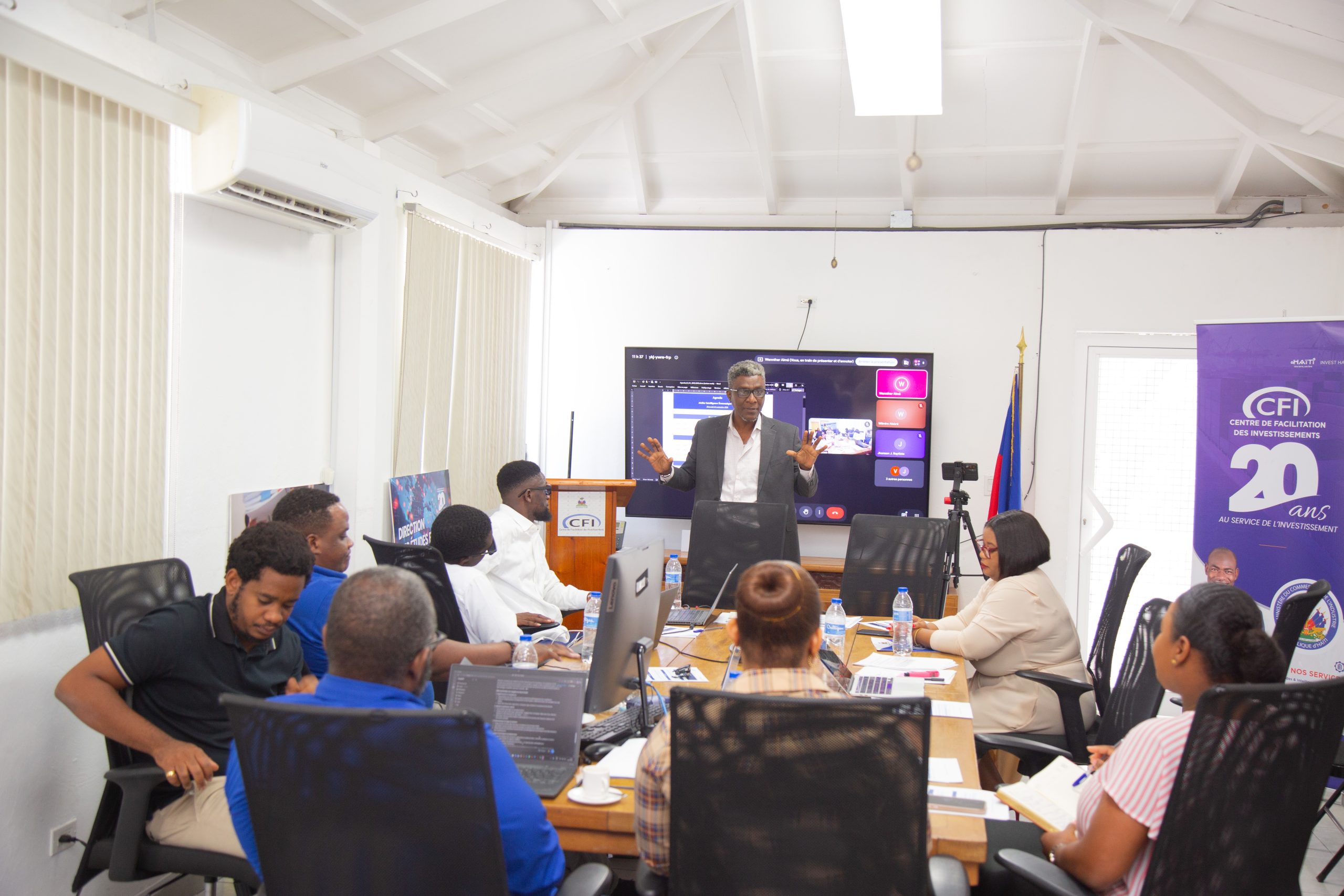
As part of its Economic Intelligence Program (PIE), the Centre de Facilitation des Investissements (CFI) held the fourth edition of its workshop on Economic Intelligence 4.0 on Wednesday, September 16, 2026. Organized by the Directorate of Studies and Economic Intelligence (DEI), this meeting marks a decisive step in consolidating and sustaining the gains achieved, in order to improve the overall performance of the Economic Monitoring Service (SVE).
A cross-cutting, collaborative vision of economic intelligence
Opened by Ms. Armandie Pierre, Communication Technician at the CFI, the day began with a review of previous workshops, presented by Mr. Wenther Aimé, Studies Officer at the DEI. He recalled that information is both a resource and a lever of power. Economic intelligence therefore cannot be limited to the DEI: it is part of a broader institutional dynamic involving all of the CFI's directorates.
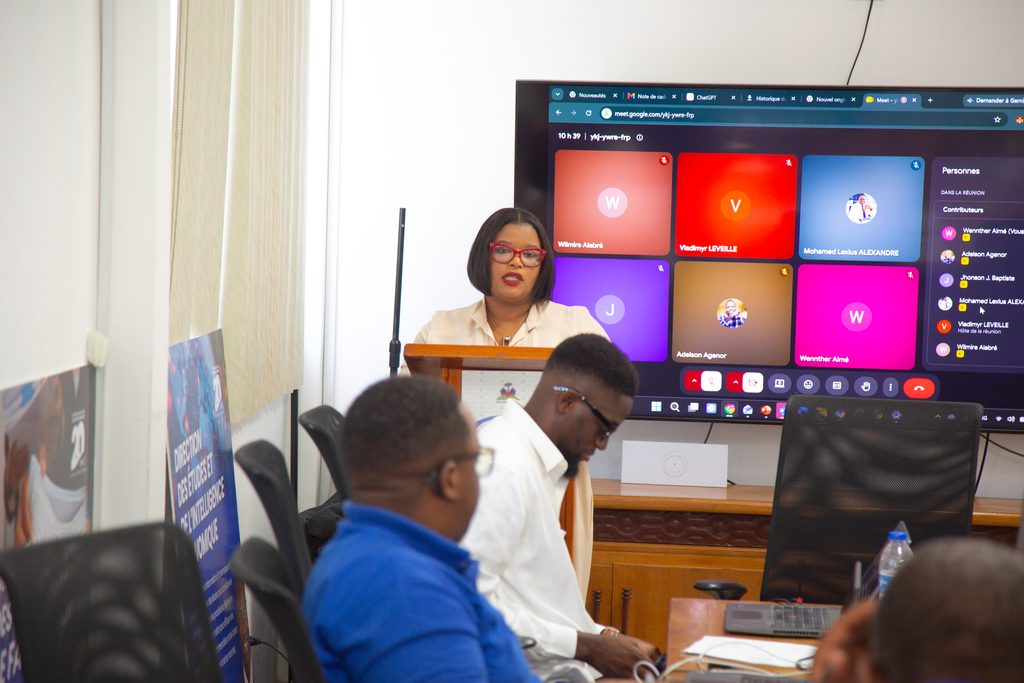
Service modernization also took center stage. Mr. Vladimir Léveillé, Director of Economic Intelligence, stressed the need to digitize administrative processes and integrate artificial intelligence into them. In a changing international environment, the strategic use of data is essential to inform decision-making and strengthen investor support.
Field feedback: perspectives on the Aftercare mission in the North
The workshop devoted considerable time to lessons learned from the recent mission carried out in the Northern region by the CFI team. The discussions, led by Messrs. Wenther Aimé, Vladimir Léveillé, Mohamed Alexandre and Clifford St-Lot, highlighted the region's potential as well as the operational challenges faced by local businesses.
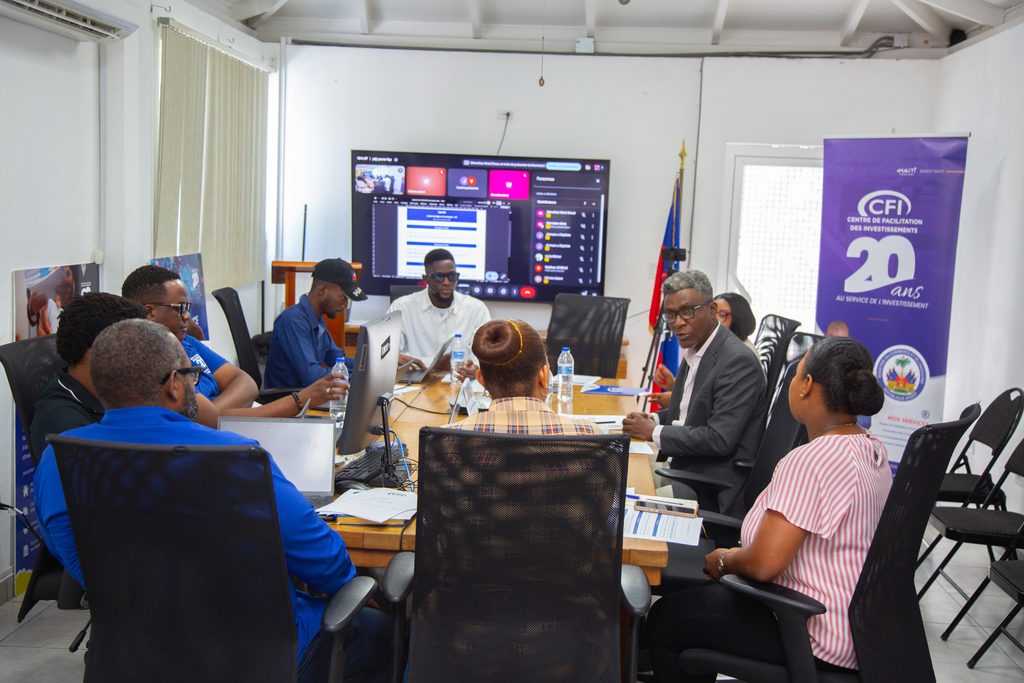
Of the sixteen businesses originally targeted, fifteen were visited. Findings vary by sector. In tourism and hospitality, occupancy remains relatively strong throughout the year, opening up prospects for expansion. Agribusiness, for its part, faces significant logistics and transport obstacles, to the point that shipping products to Port-au-Prince is sometimes more difficult than exporting them. As for textiles and free zone companies, including those of CODEVI, they must deal with specific challenges related to employment and competition for labor.
Across all sectors, businesses expressed several major concerns: the burden and cost of customs procedures, constraints related to incentives, and the impact of insecurity and the situation in Port-au-Prince on their operations in the provinces.
Securing investment through legal intelligence and local development
Exploring the link between economic intelligence and law, Mr. Johnson Baptiste showed how a complex regulatory framework can become a strategic advantage. Referring in particular to lawfare and legal engineering, he highlighted the role of regulatory monitoring in anticipating risks, protecting intangible assets and securing investments over the long term.
In the same vein, Mr. Stiven Aimable, Local Development Officer at the DPI, stressed the importance of territorial anticipation. Drawing on concrete examples such as the vetiver value chain and the textile sector, he recalled that mastering local information is essential to effectively guide investment decisions.
Spotlight on the TCV and the Inoreader aggregator
The technical session helped consolidate mastery of the CFI's monitoring tools. Mr. Loobeach Logiste presented the Monitoring Control Dashboard (TCV), then Mr. Mohamed Alexandre led a practical demonstration of the Inoreader aggregator. These tools strengthen the teams' capacity to collect, structure and leverage strategic information on a daily basis.
This fourth edition confirms the CFI's determination to strengthen its internal synergy, prepare its teams for current challenges and provide high-level support in the service of Haiti's economic development.
Communication Unit / CFI
Latest Publications
Catalogue of Local Investment Opportunities
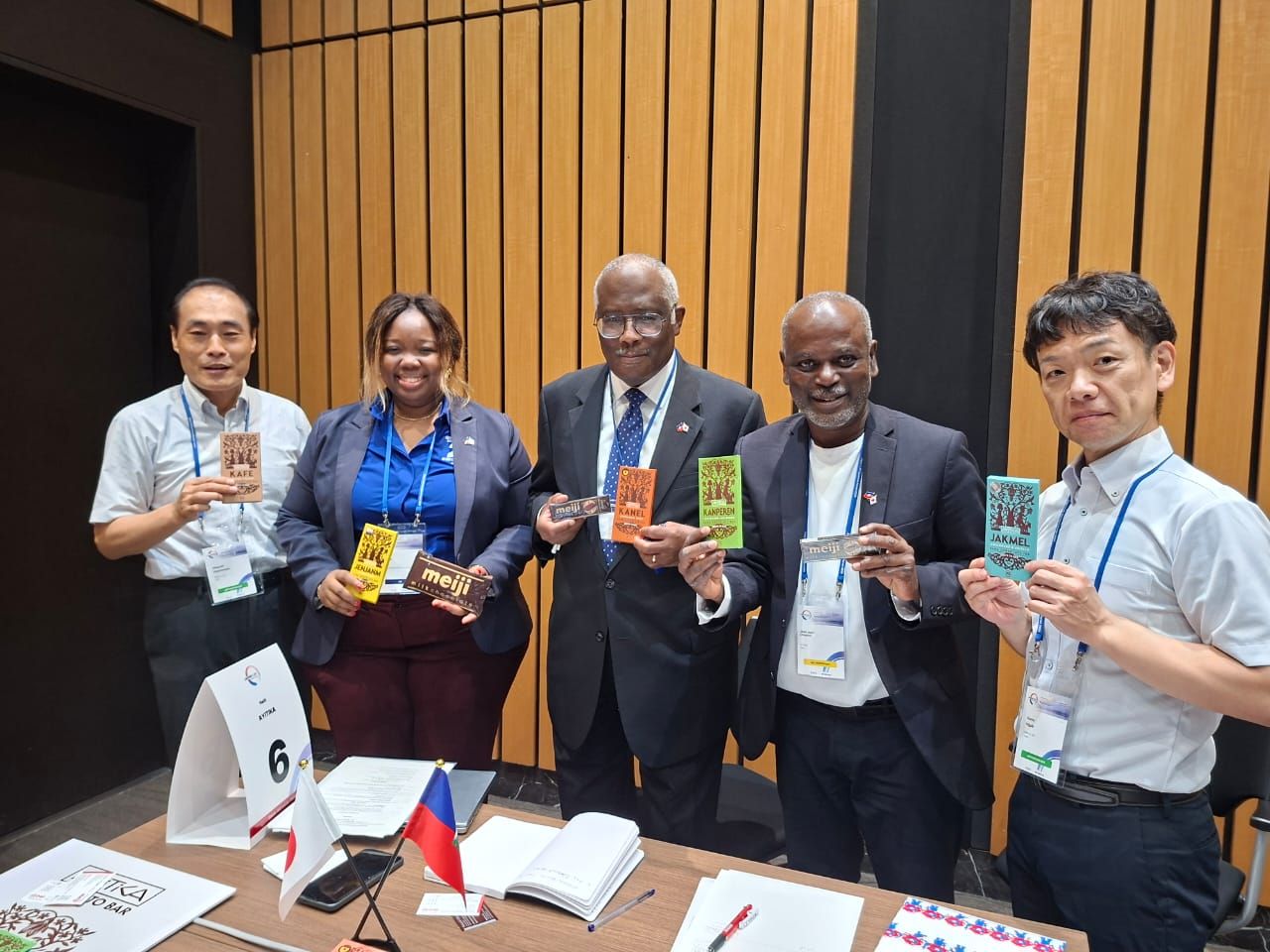
The CFI strengthens Haiti's presence among Japanese investors
Share the article


