


Economic strategy: CFI bets on innovation and the restructuring of promising sectors
13 July 2026

Economic strategy: CFI bets on innovation and the restructuring of promising sectors
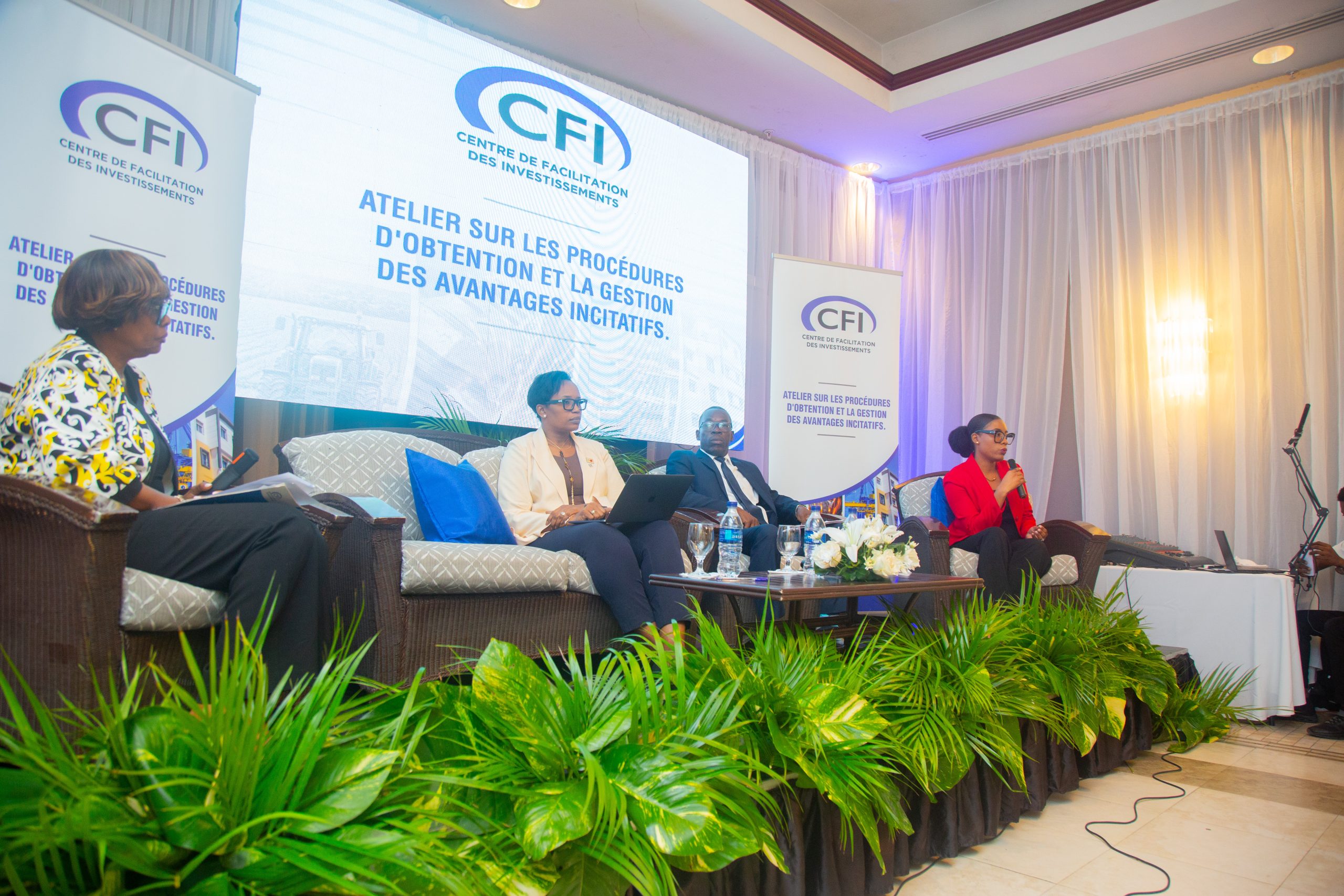
On July 9, 2026, the Centre de Facilitation des Investissements held a major strategic workshop devoted to taking stock of high-potential economic sectors. Combining a clear-eyed diagnosis of the textile sector, the technological modernization of prospecting and a more structured approach to access to financing, the institution laid out a clear roadmap to revitalize investment in Haiti.
The textile sector remains an essential pillar of the Haitian economy, providing jobs and foreign currency. However, the analysis presented by Mr. Yves Harry Deslouches, International Promotion Officer, points to a mixed picture. While the country enjoys major competitive advantages, notably low labor costs and preferential access to the U.S. market through the HOPE II and HELP programs, the industry faces significant structural challenges. Between 2015 and 2026, political and legal instability slowed the sector's growth.
The workshop highlighted a geographic divide: while the West department suffers from logistical constraints and high operating costs, the Caracol Industrial Park stands out for its resilience and efficiency. The recommendation is clear: it is imperative to change the narrative about this sector by placing greater emphasis on its growth potential. CFI advocates an energy transition to solar power, diversification of exported products and stronger cross-border cooperation to secure the industry's future.
To modernize its working methods, CFI officially presented the Apollo tool, a digital solution designed to transform international prospecting. Once time-consuming and manual, the search for prospects is giving way to a structured, data-driven approach. The tool, successfully tested in the Business Process Outsourcing sector, not only identifies qualified targets but also maps the internal influence structure of companies. For the Investment Promotion Department, this solution is a lever for standardization that will greatly facilitate the onboarding of new staff and ensure greater efficiency in following up on opportunities.
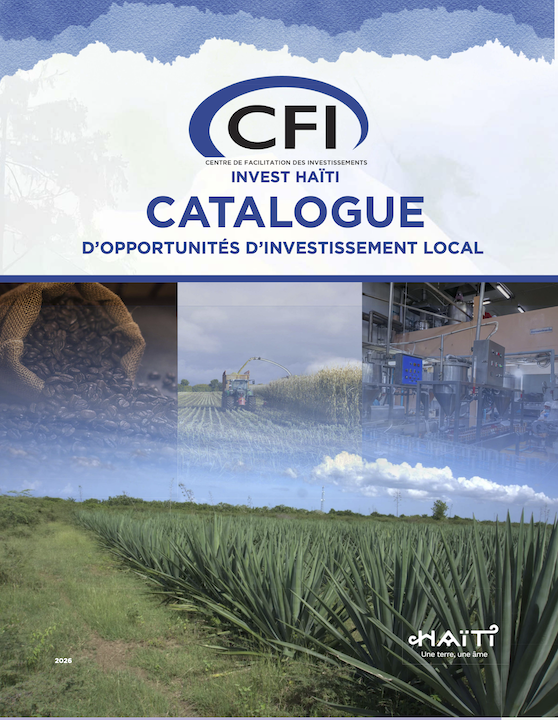
The third pillar of the workshop focused on making financial information more widely accessible. Mr. Stiven Aimable unveiled a new guide to financing offers, a compass for investors listing the mechanisms available from institutions such as the BRH, the FDI, the BNDA and the MCI. The guide is accompanied by a catalog of sixteen selected local investment projects.
The Director of the Investment Promotion Department, Mrs. Farah Thermidor JOSEPH, took the opportunity of this presentation to highlight two strategic development priorities: technical support to help small businesses standardize their production and packaging in order to meet international standards, and the involvement of the Haitian diaspora, seen as a key driver of national economic development.
The discussions that followed the presentations resulted in a series of strategic guidelines for the future. CFI is now committed to harmonizing project follow-up by connecting the Apollo tool to the institutional Customer Relationship Management (CRM) system. There are also plans to extend the scope of the financing guide to the infrastructure and energy sectors, while incorporating international cooperation programs, notably those of the European Union. Finally, the institution will ensure that opportunities are updated periodically to guarantee the relevance of the data provided to investors. This workshop reflects CFI's strong determination to move from reactive investment promotion to a proactive, structured and data-driven approach, thus shaping a new era for the country's economic attractiveness.
Communication Unit/CFI
Latest Publications
Catalogue of Local Investment Opportunities
The CFI strengthens Haiti's presence among Japanese investors
Share the article


