


Hôtel Fort Royal, in Petit-Goâve, a tourism venture between passion and resilience
8 June 2026
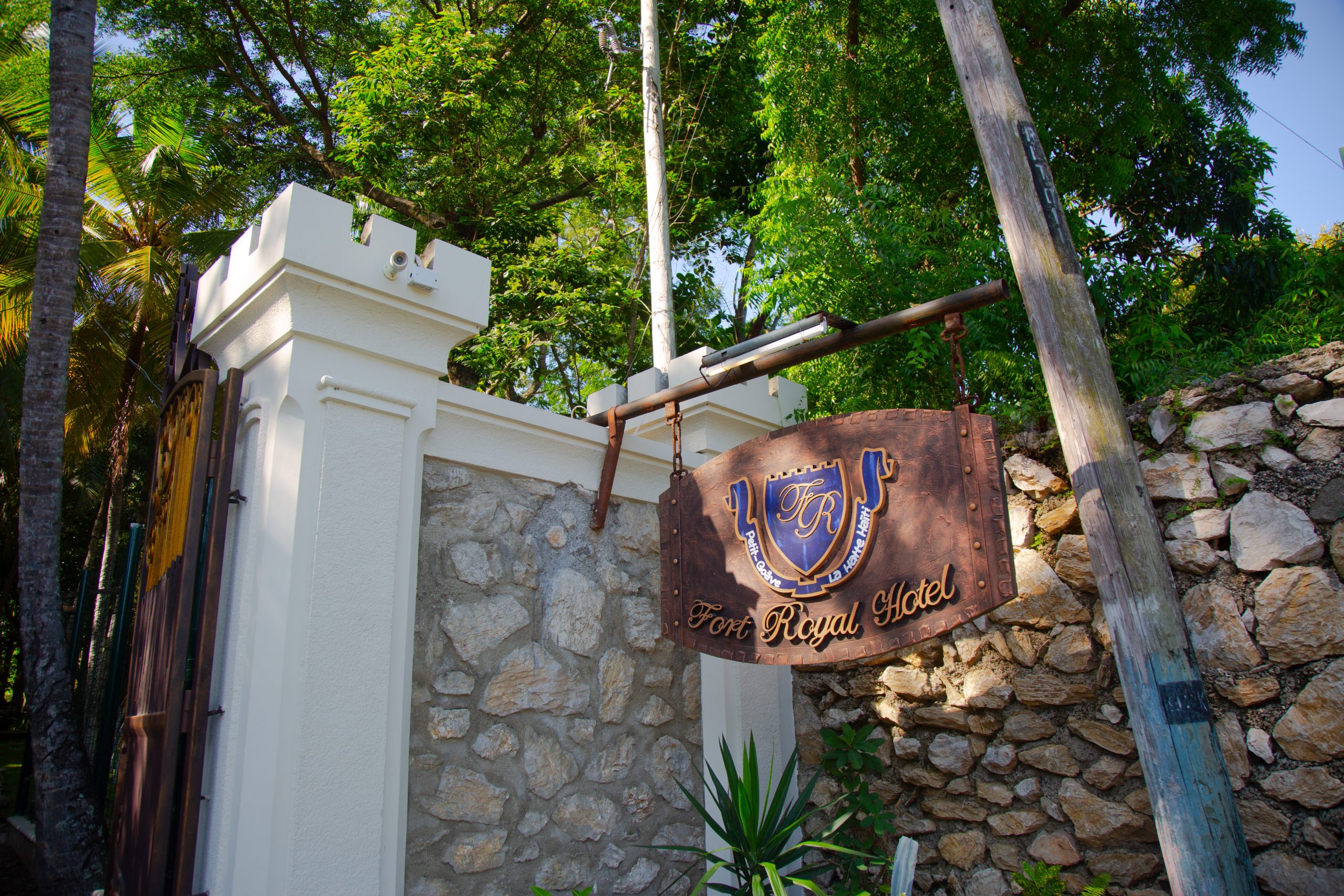
Hôtel Fort Royal, in Petit-Goâve, a tourism venture between passion and resilience
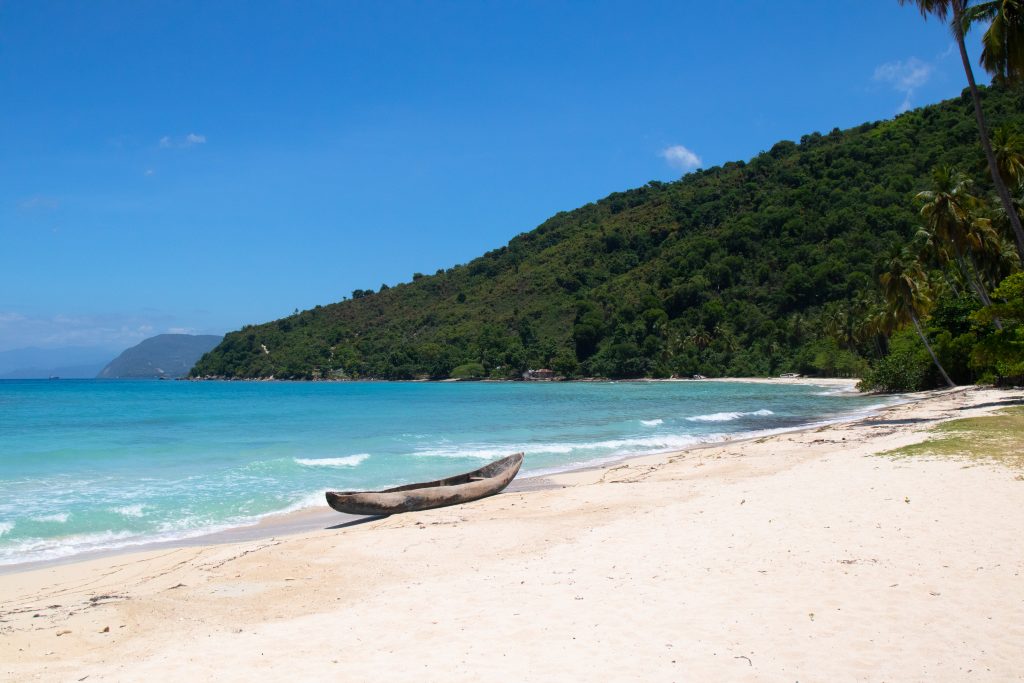
In the Palmes region, the sea does not merely border the landscape; despite everything, it still holds the shape of a promise. On this coastline, where the beauty of the shore, memories of history and the hopes of a local economy in need of breathing room come together, Hôtel Fort Royal continues on its way. The establishment embodies a Haitian tourism that refuses to fade away. A tourism that moves forward quietly, resilient and promising.
Fort Royal is a seaside hotel complex offering accommodation, a swimming pool, a beach area, a conference room and leisure activities. Behind these facilities lies above all the choice to keep alive a certain idea of hospitality, rest and coastal stays, in a country where running a tourism facility is already an act of will… or even an obstacle course.
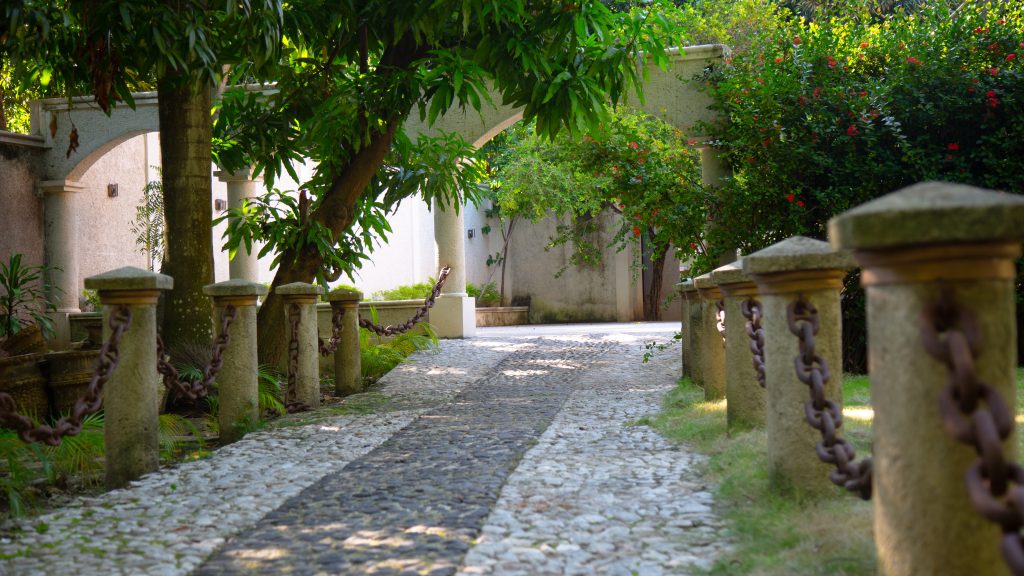
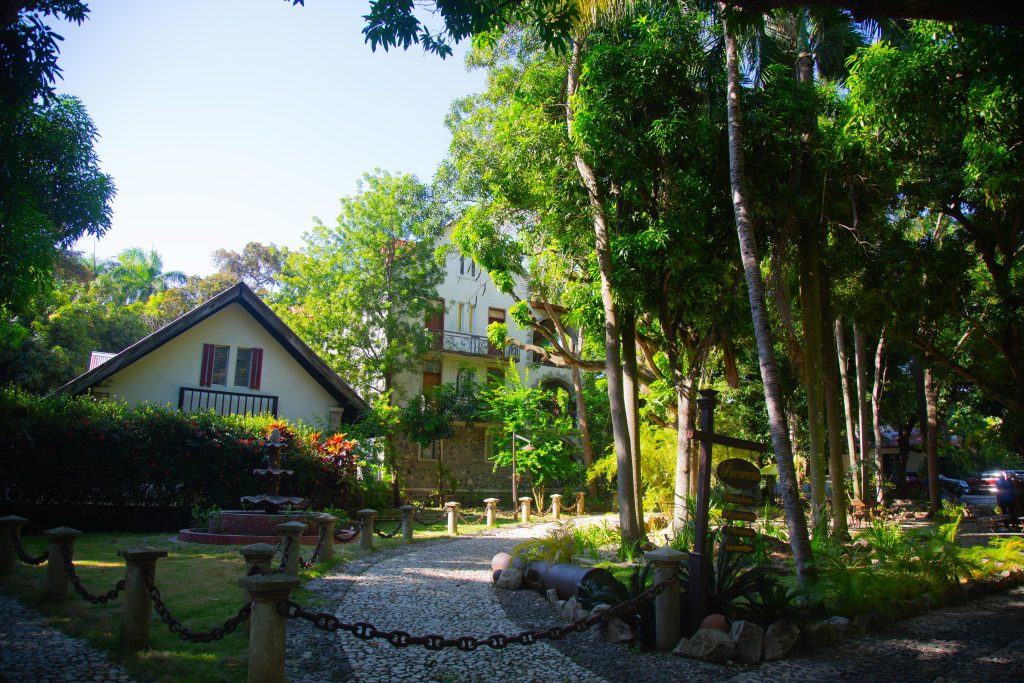
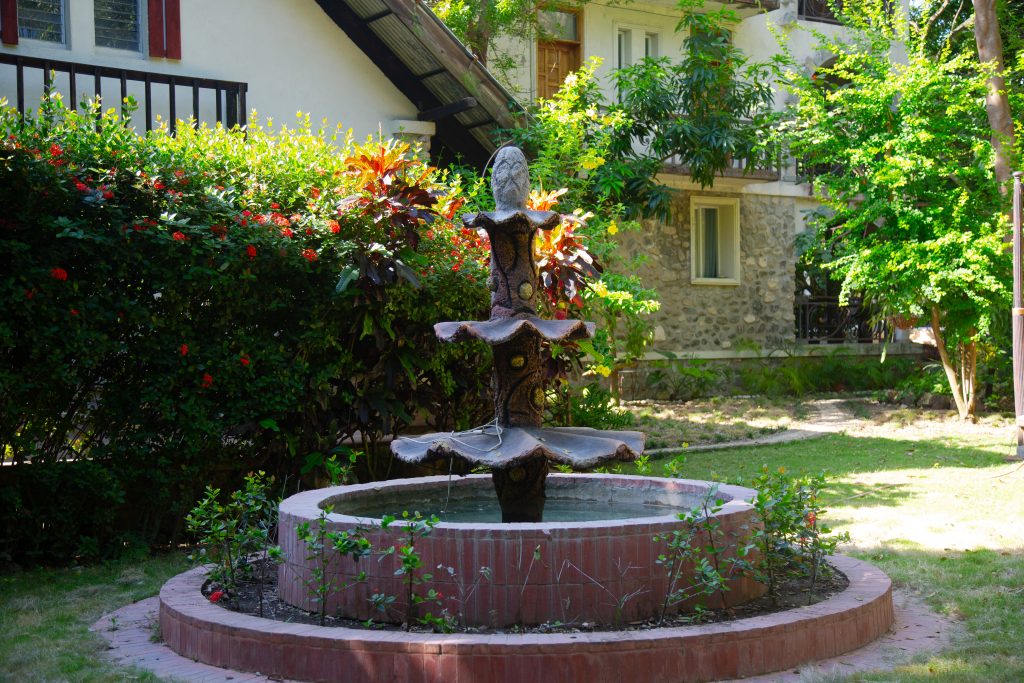
Nor is the place reduced to a postcard. As recently as December 2025, Fort Royal hosted its Christmas Market, a showcase for local entrepreneurs, families and visitors who came to share a few days of conviviality. This detail matters. It is a reminder that a hotel can be more than a stopover: a discreet crossroads, a space where the local economy still breathes, where products, ideas, encounters and small hopes find temporary shelter.
The potential of Petit-Goâve
It must be said that Petit-Goâve offers this story an almost natural backdrop. Official sources describe a municipality rich in beaches, forts, caves, festivities and local products with strong potential. The “Visit Haiti” guide also highlights the nearby Kokoye Beach and the area's maritime roots, while the town's culinary heritage remains tied to “Dous Makòs.” Here, tourism is therefore not a fiction pasted onto the territory: it extends a landscape, a culture and a coastline that continue to beckon departures, stopovers and returns.
Petit-Goâve has precisely the attributes needed to support genuine tourism momentum in the Palmes region. With its coastline, its still unspoiled beaches, its historic sites, its popular culture, its gastronomy and its proximity to Port-au-Prince, the municipality has considerable natural and economic potential. This territorial wealth offers significant prospects for beach, cultural and event tourism, provided that investment, infrastructure and stability can gradually support this vocation. The town thus retains the hallmarks of an area that can still attract visitors, investors and project developers around an economy linked to the sea, leisure and hospitality.
This is precisely why Fort Royal's bet stands out. In Haiti, tourism still accounted for 4.1% of GDP and 12.3% of total employment in 2024, while in 2025 the State reaffirmed its determination to make it a driver of recovery, notably through an investment program for the North and the Greater South. Every establishment still standing on the coast is thus a reminder that, beyond the crises, the tourism industry remains an important part of the national economy and of regional vitality.
Fort Royal: resisting, welcoming and keeping tourism hope alive in the Greater South
None of this, however, erases the shocks of reality. The World Bank notes a marked decline in hotel and restaurant activity, against a backdrop of insecurity, disrupted roads, supply difficulties, energy fragility and strains on essential services. In a country where international security alerts remain very high, running a hotel, maintaining its spaces, welcoming guests and continuing to invest, even step by step, becomes an almost silent form of discipline.
From this perspective, Fort Royal stands less as a symbol of triumphant tourism than as proof of persistent tourism. The project shows that there are still women and men on the Haitian coast who refuse to let the sea become a mere backdrop of abandonment. In Petit-Goâve, the hotel thus continues to uphold a simple and tenacious conviction: even in adverse seasons, hospitality can remain an economy, a profession, an elegance… and sometimes, already, a small victory over discouragement.
In this environment, Hôtel Fort Royal stands out as one of the most well-structured showcases in the region, but also as a tourism benchmark in the Greater South thanks to the quality of its offering and its ability to maintain hospitality standards despite the constraints of the national context. Accommodation, swimming pool, beach, relaxation areas, conference room, landing pier and natural setting make up a complete offering designed for families and passing tourists as well as for professional activities and events. Beyond its facilities, Fort Royal also helps keep the tourism reflex alive in this part of the country and projects the image of a Haitian tourism that continues to exist, to welcome visitors and to believe in the potential of the national coastline.
And perhaps this, ultimately, is Fort Royal's finest lesson: a reminder that tourism in Haiti is not only a matter of landscapes, but of perseverance. It springs from the ability to keep a light burning facing the sea, to maintain a place when everything pushes toward retreat, and to believe that a shoreline can still carry something other than nostalgia: the stubborn possibility of a future.
Communication Unit/CFI
Latest Publications
Catalogue of Local Investment Opportunities
The CFI strengthens Haiti's presence among Japanese investors
Share the article


